
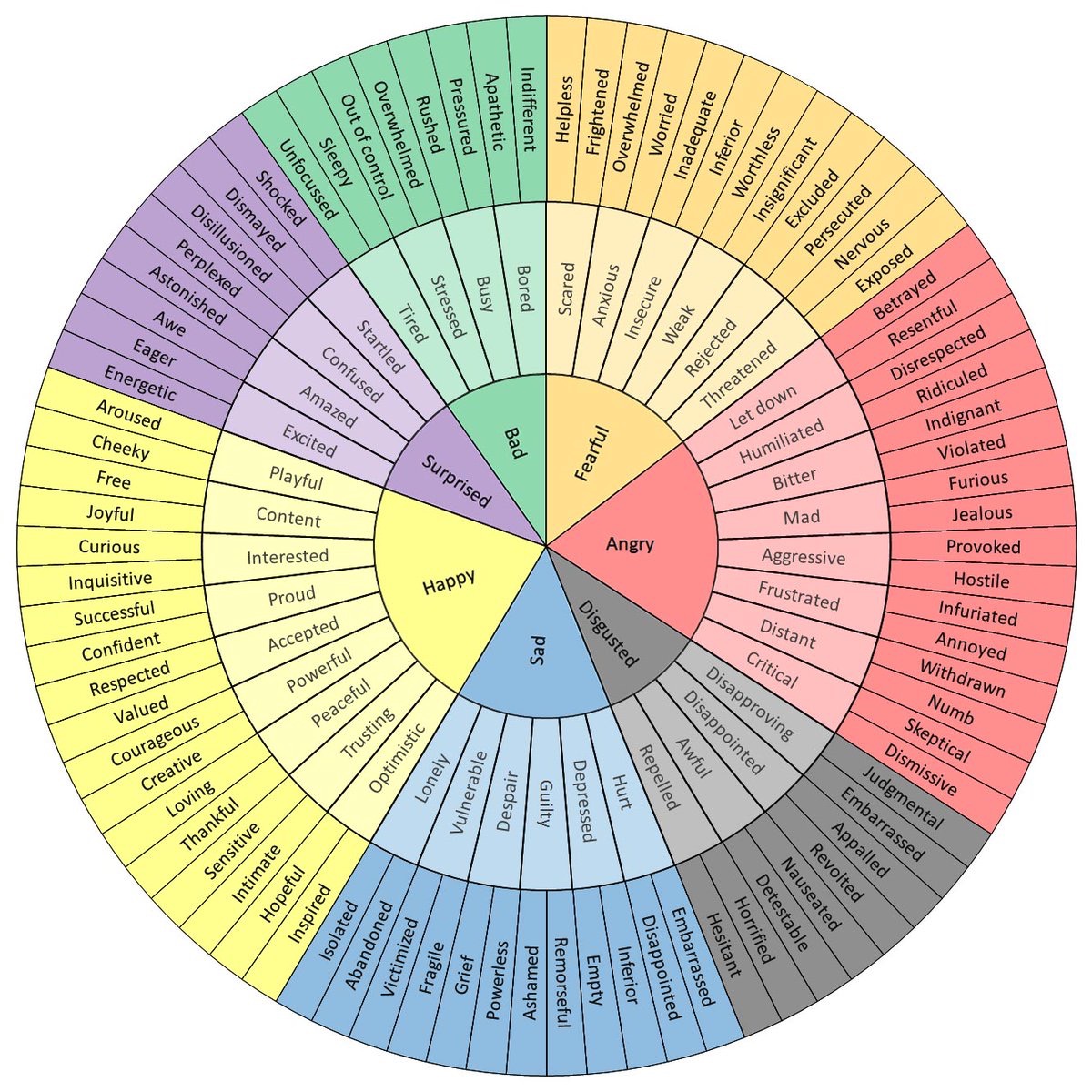
This article (cited below) – on emotional intelligence (EI/EQ) – advanced my understanding of why so many conversational disconnects reflect divides in breadth of vocabulary. A spectrum of emotion-rich & word-rich language. And levels of emotional intelligence.
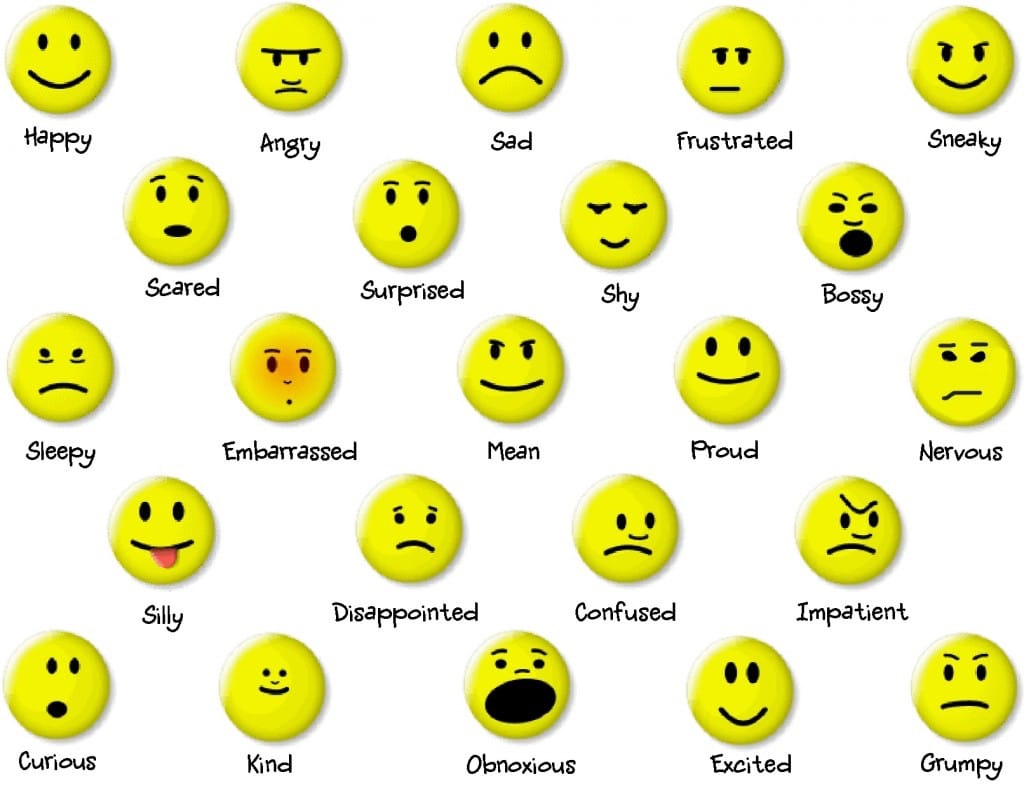
Temperament & style can thwart communication, but also impact ongoing development of vocabulary. And the range of vocabulary models levels of understanding.
So, how is enrichment of vocabulary woven into the daily grind? The moments “to introspect, articulate and reflect.” And deal with the irony that affective (as well as expert) vocabulary can be threatening? Travers highlights two practices:
- Sharing emotionally rich stories (reading, discussing)
- Moving beyond transactional, reflexive conversations – using more precise language
Cultivation of a rich emotional language in childhood is a gift. Nurture of that language later in life is grace.
• Forbes > 1 Habit Emotionally Intelligent Adults Had As Kids, By A Psychologist by Mark Travers (4-1-2026) – Emotion-rich conversational environments have long-term payoffs for: relationships, work performance, resilience.
Emotional intelligence and wellness have turned into a burgeoning industry. We spend billions every year trying to make adults more emotionally intelligent through corporate workshops, mindfulness retreats, therapy, habit tracking and self-help books that promise to rewire how we relate to ourselves and others.
The habit is deceptively simple: consistently naming emotions, be it your child’s, your own or those of characters in the books you read together. The trick is to do it out loud, in the ordinary flow of everyday life. Psychologists call this “emotion labeling” or “emotion coaching,” and it is far more than a communication technique.
Books are an underutilized tool here. Reading emotionally rich stories together, and pausing to wonder aloud what a character might be feeling and why, builds what researchers call emotion knowledge, or the ability to read emotional cues in others and predict how feelings influence behavior. Schools that prioritize emotional literacy actively encourage children to move beyond reflexive answers like “good” or “fine” toward more precise language: curious, nervous, proud, left out. Parents can do the same, and it costs nothing but attention.
Emotionally intelligent adults are not people who feel less. They are people who, somewhere early in life, developed a precise internal language for their inner world. That precision allowed them to process difficulty without being consumed by it, to empathize with others without losing themselves and to communicate their needs without the static of unexpressed emotion getting in the way.
Related posts
• Shadowscape Episode 5, Part 2 – Note #7 (re EQ articles)
• The Shadowscape – Episode 5, Part 1 – [Scene] A council of intelligences
You’d never see this pow-wow on surveillance screens. For it was virtual. And private to the AIs. It was a way for the various AI Spaces to chat. But not in any human way. Not in any human language.
If one had to visualize the venue, old metaphors might apply. Imagine these AI Spaces represented as Avatars, sitting at a round table. The AI Collective. It wasn’t to trade data, for that was shared automatically (in the Cloud) as needed.
No, it was to discuss, in this case, what might be called the recent Great Perturbation. The tone, at their level of emotional intelligence (EQ), might be called one of ‘concern’ or ‘annoyance’ or just ‘ick.’
Regarding emotionally rich stories …
So, I’ll be revisiting Andy Weir’s novel Project Hail Mary (which I read in January 2023) to examine any incorporation of EQ into the narrative, character development, and dialog.
The success of the screen adaptation (which I’ll view at some point), both critically and at the box office – as an uplifting, hopeful vision – speaks for its emotional resonance: “That satisfies like a jumbo serving of apple pie and milk.” Did the adaptation build out any EQ aspect? – visually, audibly. Was humor an emotional bridge? Curiosity? Vulnerability?
So, how did Grace and Rocky communicate feelings? Develop a language of emotion – if at all? Particularly regarding the tragic backdrop of their missions. Empathize? What allowed them “to process difficulty without being consumed by it?”
References
• Space.com > 10 major differences between the ‘Project Hail Mary’ book and movie by Matthew Razak (3-23-2026)